Blending traditional British craftsmanship with refined French luxury, Dormeuil has been a global icon in fine fabrics since the mid-19th century. With a heritage that spans five generations, Dormeuil brings artistry, innovation, and elegance to tailoring fabrics used by royalty, celebrities, and discerning sartorialists around the world.
Use the arrows or dots to browse fabrics. Swipe on mobile.
A Brief History
Founded in 1842 by Jules Dormeuil, the company began by importing English cloth into France. By 1860, Dormeuil was producing its own fabrics and quickly rose to prominence across Europe. The brand became known for its ability to combine British structure with continental sophistication, a hallmark that remains today.
Dormeuil is still family-owned and operated, maintaining its headquarters in Paris and production in England. Over nearly two centuries, the house has supplied cloth to Savile Row tailors, Italian ateliers, and luxury fashion houses alike, building a reputation that rests on consistency, innovation, and an unmistakable sense of refinement.
What Makes Dormeuil Unique
Innovative Fabric Collections
Dormeuil consistently pushes the boundaries of textile development. Notable innovations include:
- Tonik: the first blend of mohair and wool, introduced in the 1950s. It became a benchmark for lustrous, resilient suiting with a distinctive sheen.
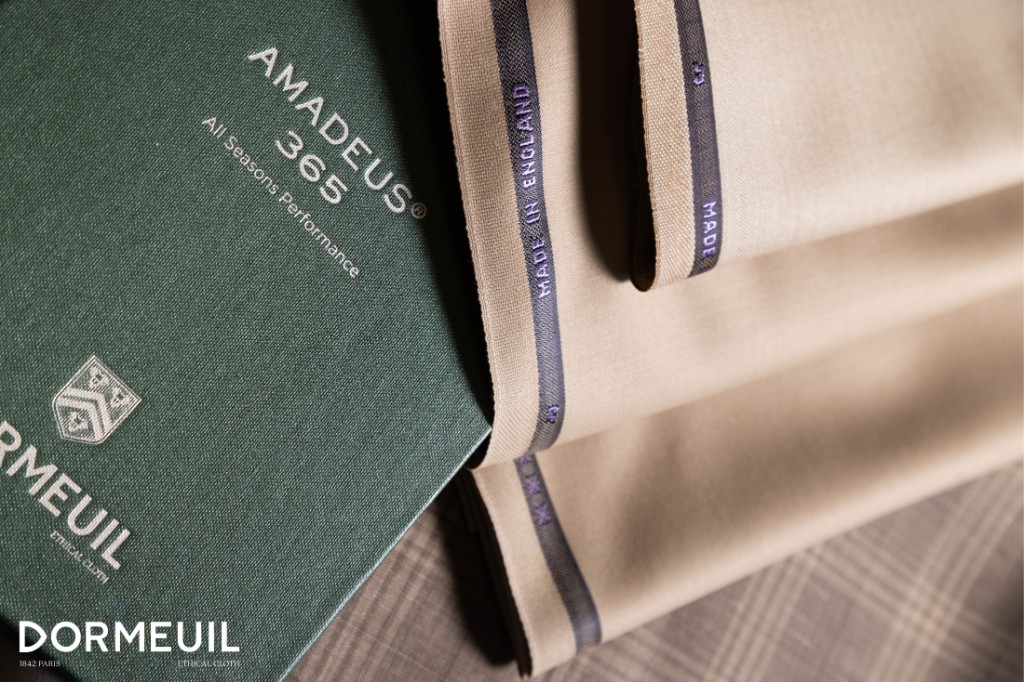
- Amadeus: known for its luxurious finish, durability, and vibrant color range across fine wool and wool-mohair blends.
- Exel: a naturally stretchy wool developed for performance and comfort without sacrificing tailored structure.
- Ambassador: a cornerstone suiting range spanning Super 100s through Super 150s, valued for reliable drape and long-term wear.
Heritage Meets Modern Design
While grounded in traditional tailoring, Dormeuil's collections embrace bold colors, patterns, and finishes suited for the modern gentleman. Their ability to blend timeless elegance with contemporary edge sets them apart. Seasonal bunches include everything from conservative navy and charcoal business cloths to expressive sport coat weaves and evening formal options.
Crafted in England, Styled in France
The fabrics are woven in Huddersfield, a historic hub of English wool production, but developed and curated with Parisian style sensibilities. That cross-cultural foundation is central to the Dormeuil identity: the structure and substance of British cloth-making, filtered through French taste and color sensibility.
Fabric Qualities
Dormeuil cloth is defined by a few consistent characteristics that tailors and cloth merchants look for when selecting bunches:
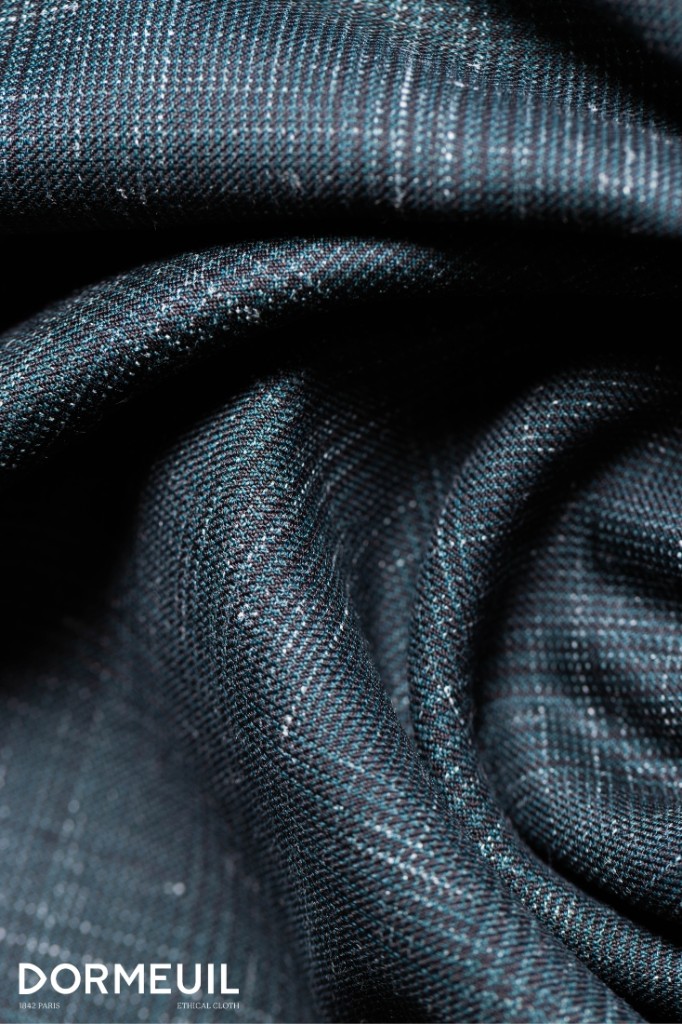
- Premium wool and mohair blends with a refined, luxurious hand
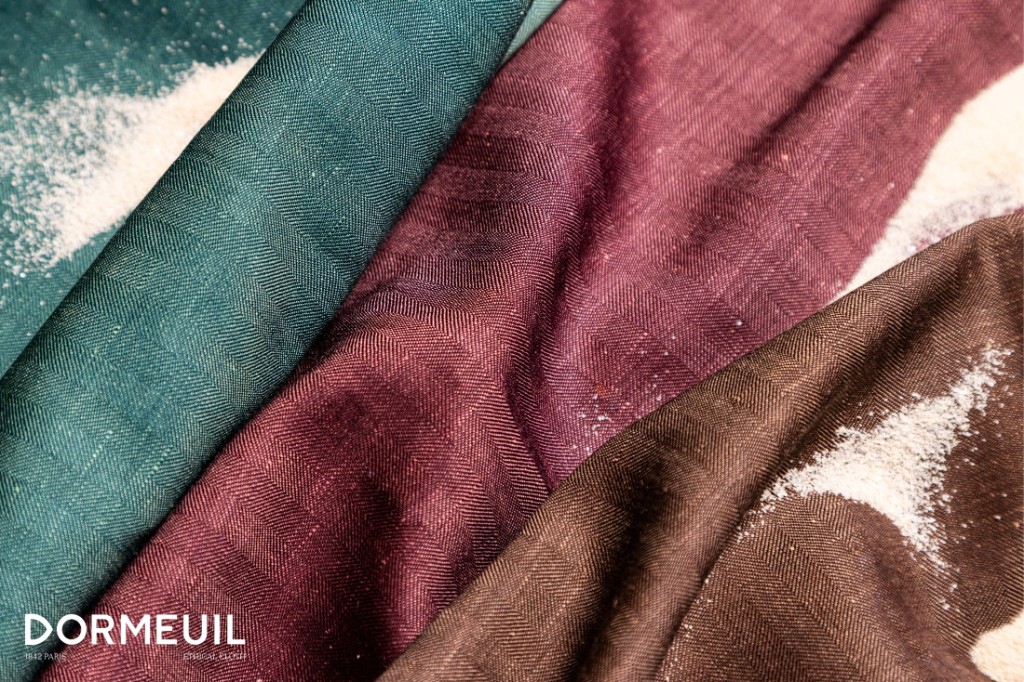
- Rich color palettes and exclusive patterns not always found at other mills
- Strong drape that supports clean tailoring lines
- Wrinkle-resistant and breathable options across seasonal weights
- Versatility from understated business suiting to statement formalwear
Weight and weave vary considerably across the house. Lighter tropical and high-twist cloths suit warm climates and travel. Mid-weight wools anchor year-round business wardrobes. Heavier flannels and cashmere blends serve colder seasons and more formal occasions.
Fashion Houses That Work With Dormeuil
Dormeuil cloth does not stay in the mill. It appears in collections from some of the world's most recognized luxury menswear houses. When a suit carries a six-figure price tag or a red-carpet presence, the fabric behind it is often part of the story.
Well-known houses and brands that have built garments from Dormeuil fabrics include:
- Tom Ford: bold, refined suiting with a distinctly modern luxury sensibility.
- Brioni: Italian tailoring excellence built on exceptional cloth selection.
- Kiton: Neapolitan craftsmanship paired with the finest available fabrics.
- Canali: structured Italian menswear with a focus on fabric quality and finish.
- Huntsman: Savile Row heritage and sharp English silhouette.
- Ralph Lauren Purple Label: American luxury with old-world fabric standards.
- Paul Smith: classic tailoring with expressive color and pattern.
The presence of Dormeuil across these houses reflects the mill's standing at the top of the market. The cloth is chosen not for marketing convenience, but because it delivers on handle, color, and performance at the level those brands require.
Where Dormeuil Shines
Dormeuil appeals to clients who appreciate fashion-forward tailoring without sacrificing craftsmanship. The fabrics are bold yet tasteful, suited to those who want to stand out with intention rather than excess.
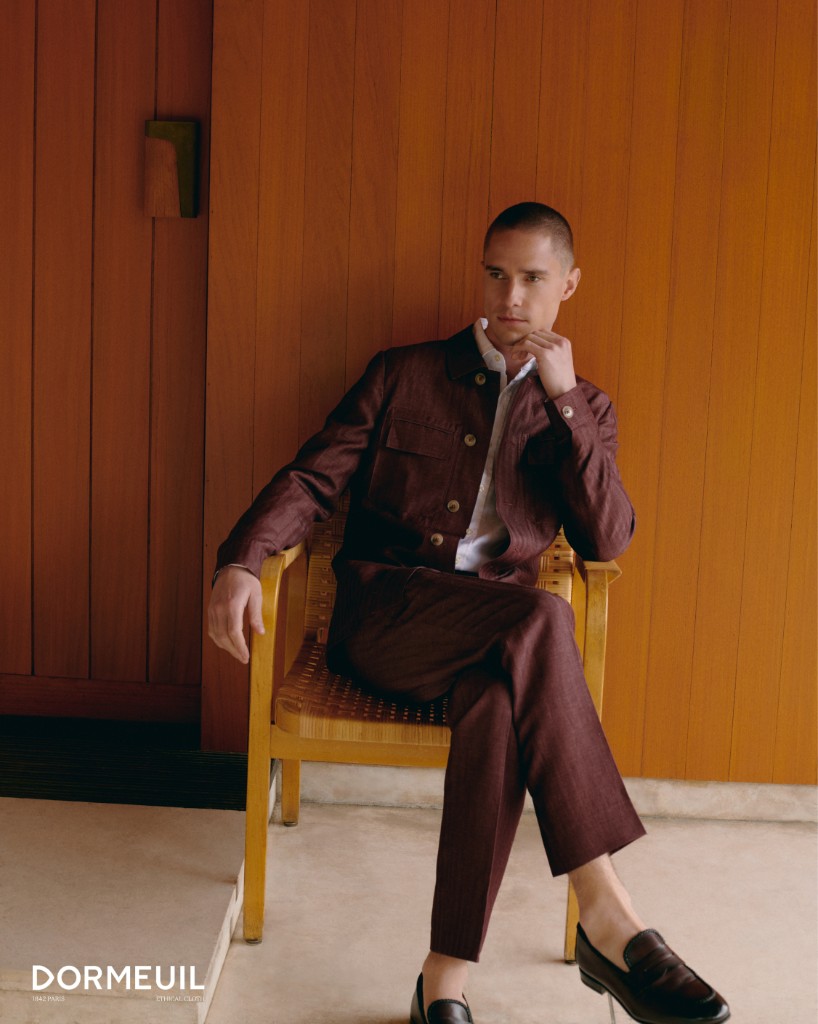
Common applications include vibrant wedding and formal suits, executive wardrobes with personality, travel-friendly performance cloths, and sport coats with visible texture or color. The house is particularly strong when a garment needs to feel elevated without reading overly conservative.
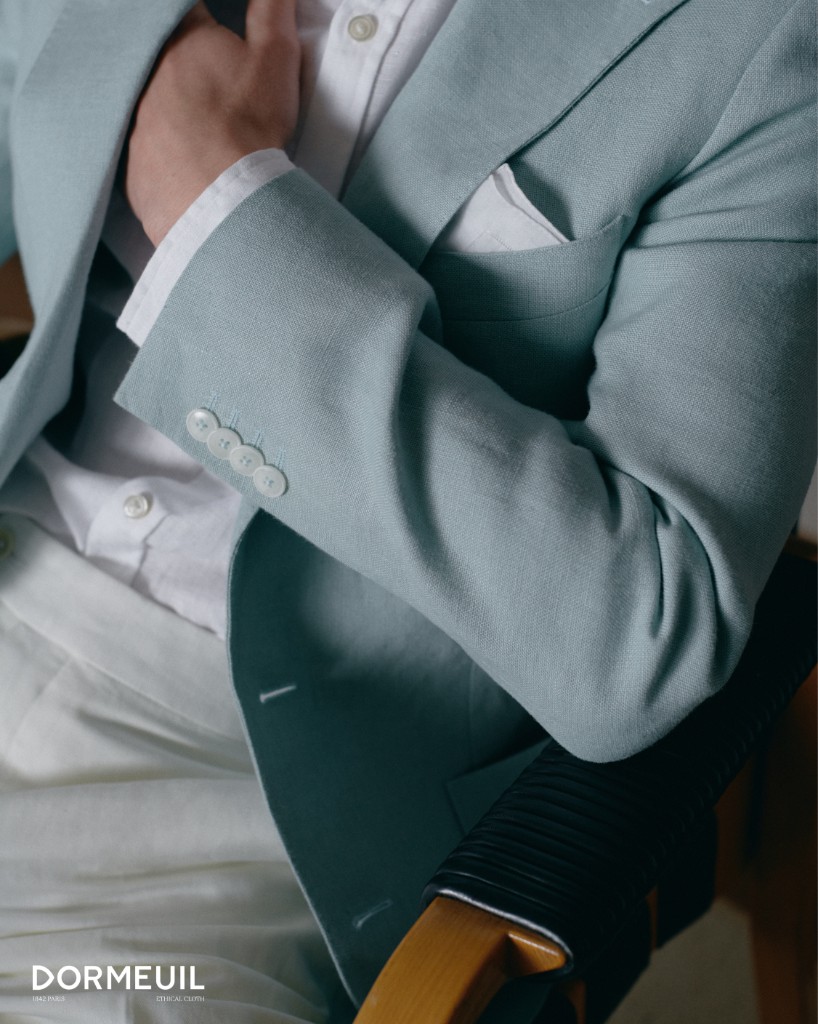
Use the arrows or dots to browse looks. Swipe on mobile.
Supreme 220
Supreme 220 represents Dormeuil at its most polished: structured business and formal suiting with clean drape and a refined, authoritative presence. The collection is a strong example of how the house balances British weave quality with a distinctly modern luxury aesthetic.
Final Thoughts
Dormeuil's fabrics carry a rich legacy of innovation, luxury, and cross-cultural influence. Choosing Dormeuil means embracing a piece of sartorial history with modern appeal woven into every thread.
Interested in something bold yet timeless? Dormeuil remains one of the most compelling cloth houses in bespoke and luxury tailoring, and understanding the mill is the first step toward choosing cloth with confidence.
Related Reading
Explore more cloth house guides on our Cloth Houses hub, or read Best Suit Fabrics for Hot Weather for guidance on seasonal cloth selection.